 Peyton, CO · mobile service across 22 cities
 M-F 8am-5pm

A degree off here. A lane off there. Recalibrated.
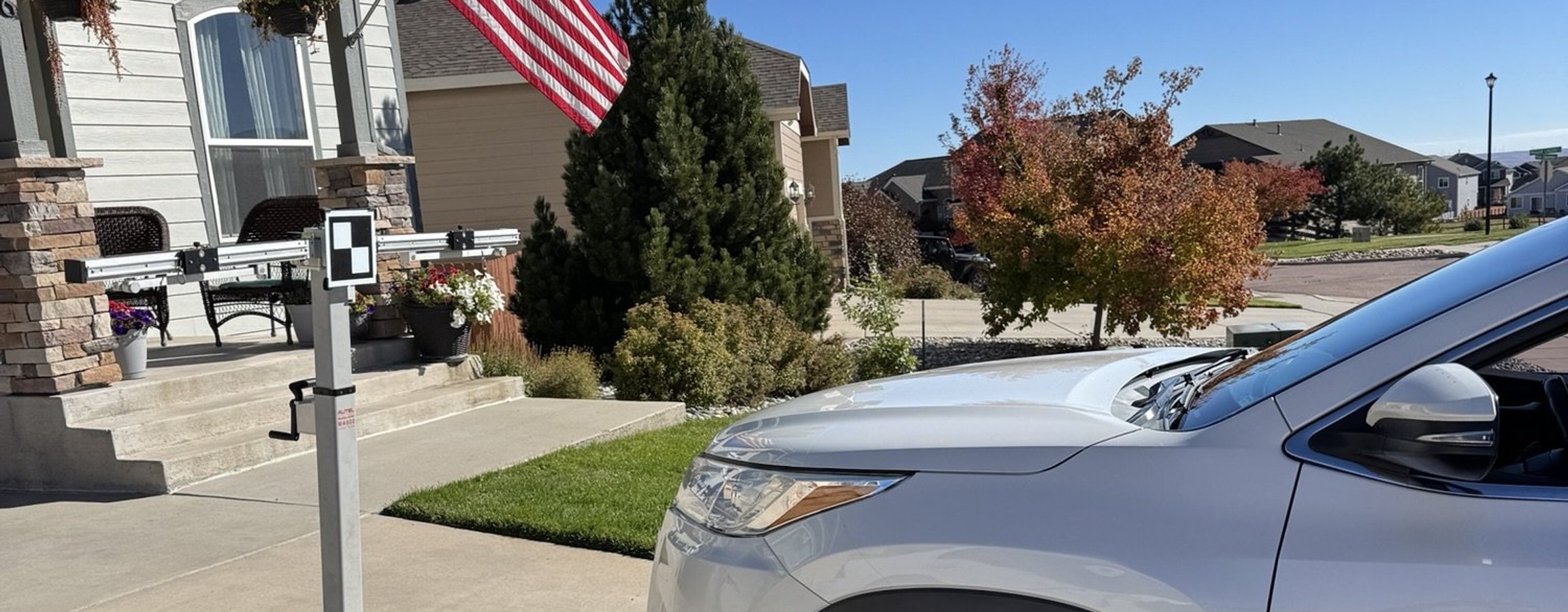
Forward cameras, radar, lane and braking sensors realigned to factory spec after your glass goes in. Static and dynamic calibration, same visit, mobile across Colorado Springs.
Uncalibrated sensors don't fail loud. They fail quiet.
Every windshield-mounted camera and radar reads the road through a fixed aim point. Move the glass and that aim shifts. If the sensors aren't recalibrated to factory spec, your safety systems keep running. They just run wrong, and they won't warn you. Here is what that looks like behind the wheel.
Delayed Braking
Automatic emergency braking can read distance wrong and react late, adding stopping distance exactly when you need it most.
Drifting Lanes
Lane keep assist may steer toward the wrong edge of the lane instead of holding you centered between the lines.
False Alerts
Collision and blind spot warnings fire at phantoms or stay silent on real threats, and you stop trusting either one.
Voided Coverage
Skipping the required calibration can undercut your warranty and complicate an insurance claim after a collision.
What drivers ask about calibration.
If your vehicle has lane departure warning, adaptive cruise, a forward-facing camera, or automatic emergency braking mounted to the windshield, yes. Those sensors are aimed to the old glass. New glass moves the aim, and the systems have to be recalibrated to read the road accurately. Most vehicles built in the last several years need it.
Static calibration uses targets set at precise distances in front of the vehicle while it sits still. Dynamic calibration is done on a road drive at set speeds while the system relearns. Your vehicle's make and model dictates which one, or both, are required. We do whatever the manufacturer specifies and confirm it before we hand the keys back.
Often, yes. Many dynamic calibrations and a good number of static ones can be done on site across Colorado Springs as long as we have level ground and enough clear space to set the targets. Some vehicles require a controlled shop environment, and we'll tell you up front when yours is one of them so there are no surprises.
Plan on an extra 30 to 90 minutes after the glass is set, depending on the vehicle and whether it needs static, dynamic, or both. We do the calibration the same visit as the install so you only stop once. You'll get the exact window when we book.
Your safety systems keep working, but they can read the road wrong without ever throwing a warning light. Emergency braking can react late, lane keep can steer to the wrong line, and collision alerts can misfire. Skipping calibration can also undercut your warranty and complicate an insurance claim. It is not a step to leave off.
When calibration is required after a covered glass replacement, most insurers cover it as part of the same claim. We handle the documentation with your insurer end to end. Text or call with your insurance info and we'll verify the coverage before any work is scheduled.
We don't hand the keys back until the systems pass. Documented.
Calibration starts with a pre-scan on manufacturer-approved equipment, so we know which systems live on your windshield and what spec they hold to. From there our certified tech calibrates to the manufacturer's exact procedure, static targets, dynamic road drive, or both.
When it's done we run a post-scan to confirm every module reads clean, with no stored faults. No guesswork, no eyeballing the aim.
You leave with documentation showing the calibration passed, the same paperwork your insurer and your records want to see.
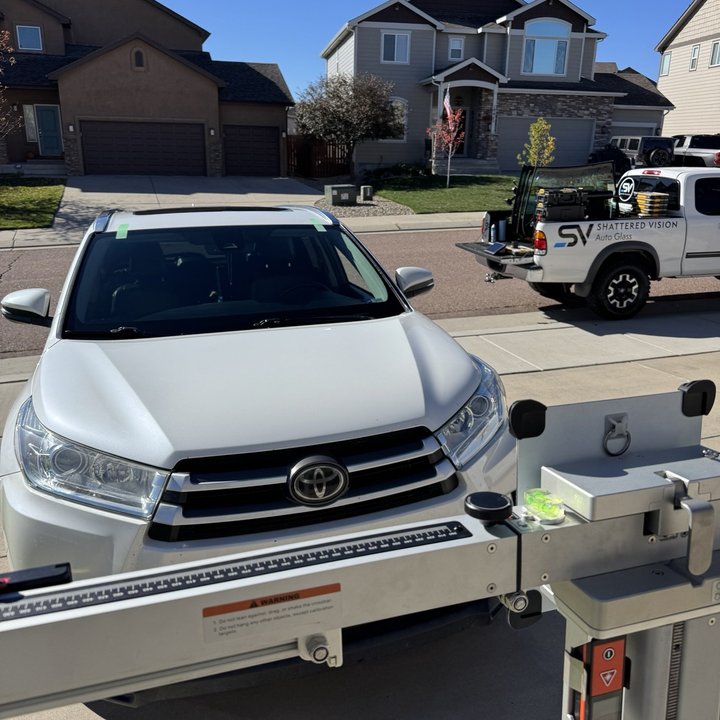
Sensors we've squared away lately.


One call.
One install.
Same-day mobile service often available. We answer the phone Monday through Friday, 8am to 5pm. Text us anytime.
Call 719-377-2282